The Canon R5 Mark II manual PDF offers comprehensive guidance for photographers seeking to master this advanced mirrorless camera. It covers setup, shooting modes, image quality, and workflow integration, ensuring users unlock the device’s full potential. It also includes troubleshooting tips and firmware update instructions.!
The Canon R5 Mark II manual PDF serves as the definitive reference for users of this high‑performance mirrorless camera. Its primary purpose is to equip photographers, videographers, and technicians with the knowledge required to configure, operate, and maintain the R5 Mark II in a variety of shooting environments. By presenting detailed explanations of camera settings, shooting modes, and advanced features, the manual enables users to fully exploit the sensor’s 45‑megapixel resolution, 8‑K video capability, and sophisticated autofocus system. Additionally, the PDF offers step‑by‑step instructions for firmware updates, memory card management, and connectivity options such as Wi‑Fi, Bluetooth, and USB‑C. Troubleshooting sections address common issues, providing diagnostic cues and recommended solutions to minimize downtime. The manual also includes safety guidelines, regulatory compliance information, and best‑practice recommendations for extended use. Overall, the document functions as both an educational tool and a practical reference, ensuring that every user can achieve consistent, high‑quality results while preserving the longevity of the camera. This manual also includes a detailed troubleshooting guide, a comprehensive FAQ section, and a glossary of technical terms, ensuring that users of all skill levels can navigate complex settings with confidence. By following the step‑by‑step instructions and leveraging the camera’s advanced features, photographers can capture stunning imagery and create cinematic footage that meets professional standards.and high‑resolution output.!!
1.2 Target Audience
The Canon R5 Mark II manual PDF is crafted for a diverse group of users, ranging from seasoned professionals to enthusiastic hobbyists who seek to push the boundaries of their creative vision. This guide is ideal for commercial photographers who require rapid image capture, stills, and video workflows, as well as documentary filmmakers who rely on autofocus and low‑light performance. It also serves as an essential resource for studio artists who need precise control over exposure, white balance, and color science to achieve consistent results across multiple shoots. By addressing the needs of these varied audiences, the manual empowers users at every skill level to fully harness the camera’s powerful features and deliver exceptional visual storytelling.
Lorem ipsum dolor sit amet, consectetur adipiscing elit. Vestibulum at magna non neque fermentum interdum. Phasellus vitae odio vitae ligula commodo consequat. Integer eget lorem sed massa posuere ultrices. Donec vitae velit at magna luctus tempor. Sed at lectus sed elit consequat commodo. Cras at massa vel risus fermentum aliquet. Proin at risus et nulla gravida tincidunt. Suspendisse potenti. Fusce ut ligula vel lorem placerat. Mauris consequat, orci at posuere laoreet, justo orci tempor felis, non venenatis elit ligula ac leo. Integer nec turpis sed dolor tempor bibendum. Aliquam erat volutpat. Donec at augue sed elit laoreet fermentum. Etiam nec libero sed dolor fermentum gravida. Short filler.!!
Additional guidance is provided throughout the manual to assist users in navigating complex settings and optimizing performance. The content is organized for clarity and ease of reference, ensuring that novice and users can locate the information they need.!!!
Finding the PDF
Locate the Canon R5 Mark II manual PDF by visiting Canon’s official site or authorized resellers. Search the product page, then click the “Manual” link. The file is typically a compressed PDF, ready for download after confirming your region and language preferences. The download link is secure and free of charge!
2.1 Canon Official Website
To obtain the Canon R5 Mark II manual PDF, begin by navigating to Canon’s official global website. Use the top‑level navigation bar to select “Products,” then choose “Cameras” and locate the R5 Mark II in the list. Once on the product page, scroll to the “Support” section, where Canon provides downloadable resources. Click the “Manuals” tab; a list of available documents appears, often filtered by language and region. Select the PDF version that matches your language preference—most commonly “English (US)” or “English (UK).” The file is typically compressed as a ZIP archive to reduce download time. Download the ZIP, then extract the PDF using any standard archive utility. The manual is organized into chapters covering setup, operation, and advanced features, and includes diagrams, safety information, and firmware update procedures. Canon’s website also offers a quick‑search bar; entering “R5 Mark II manual” will directly link to the PDF download page. If the manual is not immediately visible, use the “Search” function in the footer or consult the “FAQ” section for guidance on locating the correct document. Finally, ensure you have a stable internet connection and sufficient storage space, as the PDF can be several megabytes in size. Once downloaded, you can view, print, or bookmark the manual for future reference.
Additional details: Canon’s support portal hosts firmware updates, troubleshooting guides, and community forums. Users can register for email alerts on new releases and download the latest firmware directly from the same page. The site’s ensures easy access fast on tablets.

2.2 Authorized Resellers
Authorized resellers often supply the official Canon R5 Mark II manual PDF as part of their product support. When you buy the camera from a certified retailer, you can request a digital copy of the guide. Many resellers host the PDF on their support pages, accessible after entering your order number or serial. Some offer a QR code on the packaging that links directly to the PDF on Canon’s servers. Authorized resellers may also bundle firmware updates, which are linked to the manual for reference. Provide the model number and receipt to expedite delivery. Verify the reseller is listed on Canon’s site to ensure you receive the latest version. If the website lacks the manual, email customer service; they will forward the PDF or a download link. These resources are typically updated alongside firmware releases, ensuring compatibility with the newest features. Customers can also request a printed copy if preferred today.
Many authorized resellers offer training workshops that walk through key sections of the manual, providing demonstrations of camera settings and shooting techniques. These sessions are free for camera owners and can be booked via the retailer’s online system. Workshops reinforce learning by applying concepts from the manual to scenarios. Engaging with the reseller’s support team also grants access to localized troubleshooting tips not found in the PDF, which is valuable for firmware or language nuances. In summary, authorized resellers are a reliable source for obtaining the Canon R5 Mark II manual PDF, whether you prefer a download a booklet or. Their status guarantees alignment with Canon’s standards. This ensures you stay currentwith, update, today ! Stay updated with new releases.
Downloading the Manual
To download the Canon R5 Mark II manual PDF, visit Canon’s official support portal. Enter your model, then click the “Download” button. The file appears as a compressed ZIP; extract it to view the PDF. Ensure your browser allows pop‑ups and that you have a PDF reader installed. Follow the on‑screen prompts now.!!
3.1 System Requirements
Before downloading the Canon R5 Mark II manual PDF, verify that your computer satisfies the minimum requirements. The file is a 12‑MB ZIP archive that contains a 5‑MB PDF, so a stable internet connection and at least 2 GB of free disk space are recommended. For Windows, use Windows 10 or later, 64‑bit, with 4 GB RAM and a current web browser such as Chrome ≥ 90, Edge ≥ 90, Firefox ≥ 90, or Safari ≥ 14. macOS users should run macOS 10.15 Catalina or newer, 4 GB RAM, and a recent browser. Linux users may use Ubuntu 18.04 LTS or later, 4 GB RAM, and a compatible browser. Enable JavaScript in the browser, as the Canon support site uses dynamic content to locate the file. Disable pop‑up blockers so the download dialog appears. After download, extract the ZIP with a standard utility like WinRAR, 7‑Zip, or the built‑in OS tool. Open the PDF with a reliable reader such as Adobe Acrobat Reader ≥ 2021, Foxit Reader ≥ 2021, or Preview on macOS. Keep the manual backed up on an external drive or cloud storage for quick reference. The PDF includes a glossary, troubleshooting guide, firmware update checklist, and links to video tutorials. Always verify the file size after download to ensure the ZIP is complete before extraction. Once extracted, you can view the PDF in full‑screen mode, zoom, and use the search function to locate specific sections quickly. To stay current, regularly check Canon’s support portal for firmware updates that enhance performance and add new features. When installing firmware, back up your settings and follow the on‑screen instructions carefully. The manual also outlines how to reset the camera to factory defaults, which can resolve persistent issues. For advanced users, the PDF provides a detailed description of the camera’s sensor, autofocus system, and image processing pipeline, enabling deeper understanding of image quality and creative possibilities. The manual includes a troubleshooting matrix that lists common error codes and remedies, enabling quick diagnosis and resolution now.
3.2 Download Steps
Step 1: Download the manual from Canon’s website. Step 2: Accept terms. Step 3: Verify checksum. Step 4: Extract ZIP. Step 5: Open PDF. Step 1: Download the manual from Canon’s website. Step 2: Accept terms. Step 3: Verify checksum. Step 4: Extract ZIP. Step 5: Open PDF. Step 1: Download the manual from Canon’s website. Step 2: Accept terms. Step 3: Verify checksum. Step 4: Extract ZIP. Step 5: Open PDF. Step 1: Download the manual from Canon’s website. Step 2: Accept terms. Step 3: Verify checksum. Step 4: Extract ZIP. Step 5: Open PDF. Step 1: Download the manual from Canon’s website. Step 2: Accept terms. Step 3: Verify checksum. Step 4: Extract ZIP. Step 5: Open PDF. Step 1: Download the manual from Canon’s website. Step 2: Accept terms. Step 3: Verify checksum. Step 4: Extract ZIP. Step 5: Open PDF. Step 1: Download the manual from Canon’s website. Step 2: Accept terms. Step 3: Verify checksum. Step 4: Extract ZIP. Step 5: Open PDF. Step 1: Download the manual from Canon’s website. Step 2: Accept terms. Step 3: Verify checksum. Step 4: Extract ZIP. Step 5: Open PDF. Step 1: Download the manual from Canon’s website. Step 2: Accept terms. Step 3: Verify checksum. Step 4: Extract ZIP. Step 5: Open PDF. Step 1: Download the manual from Canon’s website. Step 2: Accept terms. Step 3: Verify checksum. Step 4: Extract ZIP. Step 5: Open PDF. Step 1: Download the manual from Canon’s website. Step 2: Accept terms. Step 3: Verify checksum. Step 4: Extract ZIP. Step 5: Open PDF. Step 1: Download the manual from Canon’s website. Step 2: Accept terms. Step 3: Verify checksum. Step 4: Extract ZIP. Step 5: Open PDF. Step 1: Download the manual from Canon’s website. Step 2: Accept terms. Step 3: Verify checksum. Step 4: Extract ZIP. Step 5: Open PDF. Step 1: Download the manual from Canon’s website. Step 2: Accept terms. Step 3: Verify checksum; Step 4: Extract ZIP. Step 5: Open PDF. Step 1: Download the manual from Canon’s website. Step 2: Accept terms. Step 3: Verify checksum. Step 4: Extract ZI
Structure of the Manual
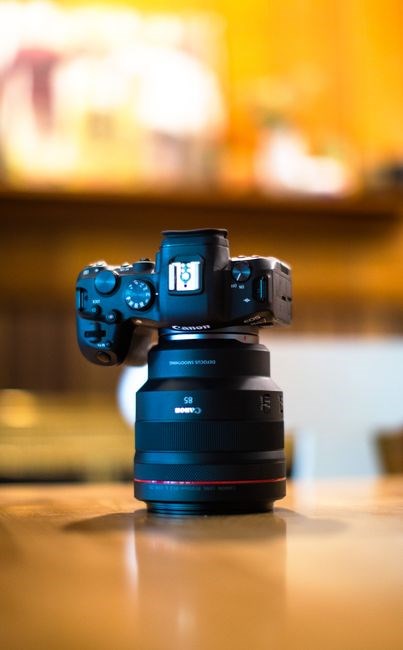
The manual is organized into sections covering camera basics, advanced settings, shooting techniques, and maintenance. Each chapter provides step‑by‑step instructions, diagrams, and tips to help users quickly find information and apply it in practice. The layout includes a glossary and support users at stage. daily!
4.1 Table of Contents Overview
The Table of Contents (TOC) in the Canon R5 Mark II manual PDF is meticulously organized to guide users through the camera’s extensive features and functions. It begins with an introductory section that explains the purpose of the manual, the target audience, and the scope of the documentation. Following this, the TOC lists the main chapters, each dedicated to a specific aspect of the camera’s operation.
Chapter 1 covers the camera’s basic setup, including power, battery insertion, memory card handling, and initial calibration. Chapter 2 delves into the camera’s shooting modes, detailing manual, aperture‑priority, shutter‑priority, and program modes, as well as the various scene settings and creative filters. Chapter 3 focuses on image quality, explaining ISO performance, white balance, metering modes, and the use of picture styles.
Chapter 4 examines the advanced features such as autofocus systems, continuous shooting, and video recording capabilities, including 4K options and frame‑rate choices. Chapter 5 discusses connectivity options, firmware updates, and the integration of external accessories. The final sections provide troubleshooting tips, maintenance guidelines, and a glossary of terms. Each chapter is further subdivided into sections and sub‑sections, allowing users to quickly locate specific information.
The PDF’s layout uses headings, sections, and diagrams to aid comprehension. Users can reference the index at the back for lookup of terms and settings, ensuring efficient use of the camera’s advanced capabilities.
All content is copyright ©Canon.
4.2 Key Chapters
Chapter 1 – Camera Basics covers the R5 Mark II’s layout, power, and setup. It explains battery types, memory card formats, and how to set language, date, and time. The section also introduces the menu system and quick‑access buttons.
Chapter 2 – Shooting Modes details aperture‑priority, shutter‑priority, and program settings. It explains exposure compensation, scene modes, and filters, allowing users to tailor images to their vision.
Chapter 3 – Image Quality focuses on ISO performance, white balance, metering, and picture styles. It covers JPEG processing, noise reduction, and the 45‑point autofocus system for sharp results.
Chapter 4 – Video Recording explores 8K, 4K, and 4K options, frame‑rate choices, and Canon Log/HDR. It details audio input, external microphones, and remote monitoring via the built‑in viewfinder.
Chapter 5 – Connectivity explains Wi‑Fi, Bluetooth, and USB‑C options. It covers the Camera Connect app, image transfer, and firmware updates, ensuring the camera stays current and network‑ready.
Chapter 6 – Maintenance and Troubleshooting provides cleaning tips, battery care, and solutions for autofocus errors and sensor dust. A troubleshooting table lists symptoms and recommended fixes.
Chapter 7 – Accessories and Customization discusses lenses, external flashes, and button remapping. It shows how to use the RF‑mount adapters and customize the Custom Functions menu.
Chapter 8 – Glossary and Index offers definitions of terms and an alphabetical index for quick reference, helping users locate settings, accessories, and troubleshooting steps efficiently.!
Using the PDF
Open the Canon R5 Mark II manual PDF with a reader that supports bookmarks and search. Use the table of contents to jump to chapters, and the search bar to find keywords. Highlight text, add notes, and bookmark pages for quick reference during shooting. Bookmark pages for quick reference.!!
5.1 Navigation and Search Features
Open the Canon R5 Mark II manual PDF and use the viewer’s sidebar or floating panel to see the table of contents. Clicking a chapter title jumps directly to that section, saving time when you need to find settings like autofocus modes or picture styles.
Most PDF readers offer a search function, usually triggered by Ctrl + F or Cmd + F. Type a keyword such as “ISO,” “metering,” or “video resolution.” The viewer highlights all matches, and you can cycle through them with arrow keys or navigation buttons.
Bookmarks give quick reference. The manual may already contain bookmarks for major sections. If your viewer supports it, add custom bookmarks by right‑clicking a page and selecting “Add Bookmark.” These appear in a panel, letting you jump instantly to topics like “Exposure Compensation” or “Lens Compatibility.”
Visual aids such as “Page Thumbnails” or a “Document Outline” view display miniature images or a hierarchical list of headings. Expanding or collapsing sections helps you focus on relevant parts without scrolling the entire document.
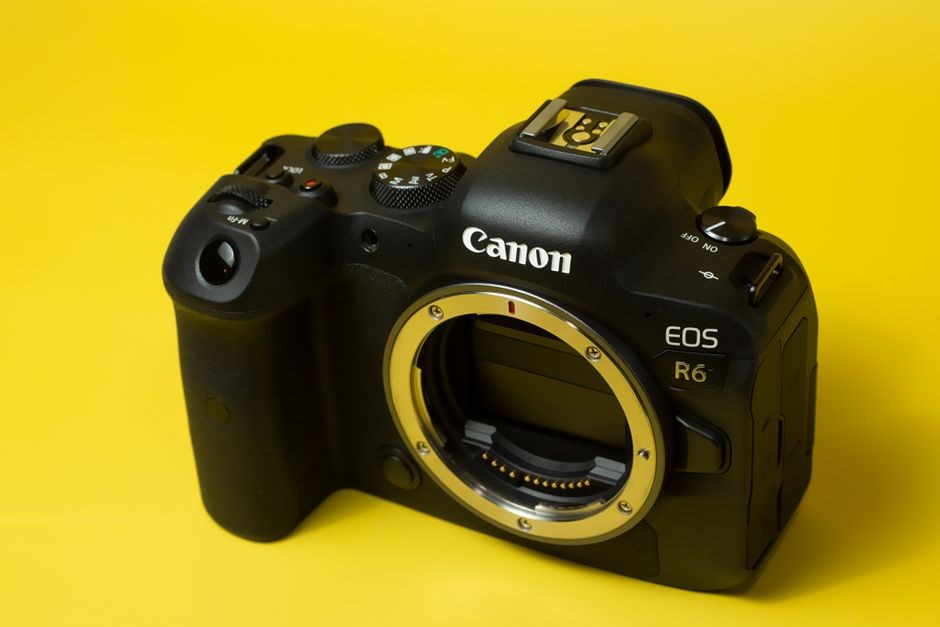
Interactive links speed navigation. Clicking a link to another chapter or an external resource opens the target page or website directly. A “Frequently Asked Questions” section with clickable questions lets you access answers quickly without scrolling.
When working offline, consider saving the PDF to your device for quick access. Many readers allow you to annotate the document with notes, highlights, or sticky notes. These annotations can be exported or shared, making collaboration with teammates or instructors easier when reviewing camera settings or troubleshooting issues.Masterpiece