The DJI Phantom 3 Standard manual is a comprehensive guide‚ available as a PDF file‚ such as Phantom_3_Standard_User_Manual__V1․4․pdf‚ providing essential information for safe and effective operation of the drone‚ including battery and charger details‚ to ensure a successful flight experience always․
Overview of the Manual
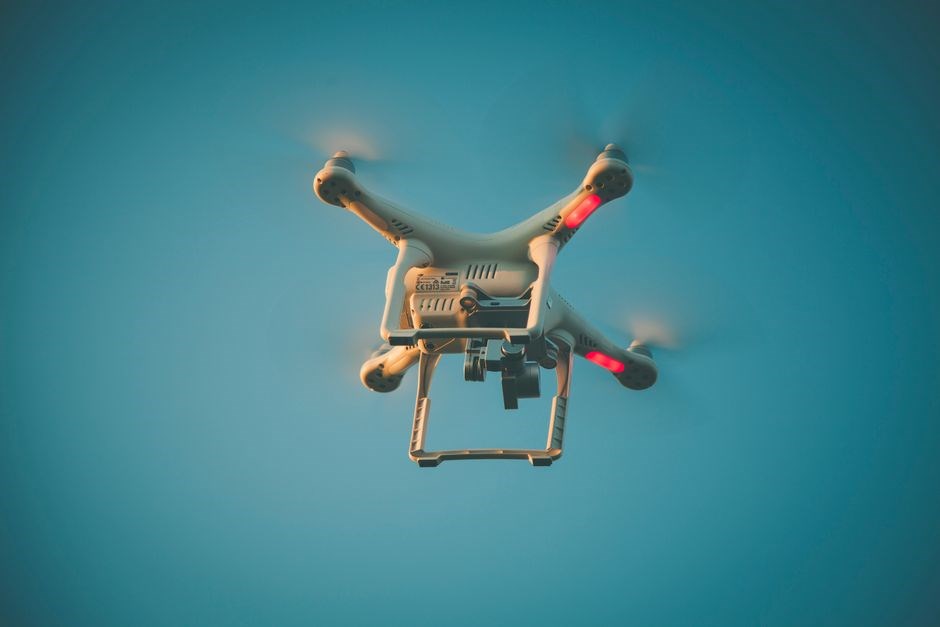
The DJI Phantom 3 Standard manual provides a detailed overview of the product‚ including its features and specifications․ The manual is available for free download as a PDF file‚ such as Phantom_3_Standard_User_Manual__V1․4․pdf‚ and can be read online․ It covers various aspects of the drone‚ including its design‚ components‚ and accessories․ The manual is an essential resource for users to understand the capabilities and limitations of the DJI Phantom 3 Standard․ It is written in a clear and concise manner‚ making it easy to follow and understand․ The manual is a valuable tool for pilots of all levels‚ from beginners to experienced operators․ By reading the manual‚ users can gain a deeper understanding of the product and its features‚ and learn how to use it safely and effectively․ The manual is regularly updated to reflect any changes or improvements to the product‚ ensuring that users have access to the most current and accurate information․ Overall‚ the DJI Phantom 3 Standard manual is a comprehensive and informative resource that is essential for anyone who owns or operates the drone․ The manual is available in multiple languages‚ making it accessible to a wide range of users around the world․ The PDF file can be easily downloaded and stored on a computer or mobile device‚ allowing users to access the manual at any time․ The manual is also searchable‚ making it easy to find specific information or topics․ The DJI Phantom 3 Standard manual is a valuable resource that provides users with the knowledge and skills they need to operate the drone safely and effectively․
Importance of Reading the Manual
Reading the DJI Phantom 3 Standard manual is crucial for safe and effective operation of the drone․ The manual provides essential information on assembly‚ installation‚ and operation of the product․ By reading the manual‚ users can understand the capabilities and limitations of the drone‚ and learn how to avoid common mistakes and hazards․ The manual also provides important safety precautions and warnings that users should be aware of․ Familiarity with the manual is essential for responsible and enjoyable use of the DJI Phantom 3 Standard․ The manual is a valuable resource that can help users get the most out of their drone and ensure a positive experience․ Reading the manual is a small investment of time that can pay big dividends in terms of safety‚ enjoyment‚ and product longevity․ The manual is available online and can be downloaded as a PDF file‚ making it easy to access and read at any time․
Pre-Flight Checklist
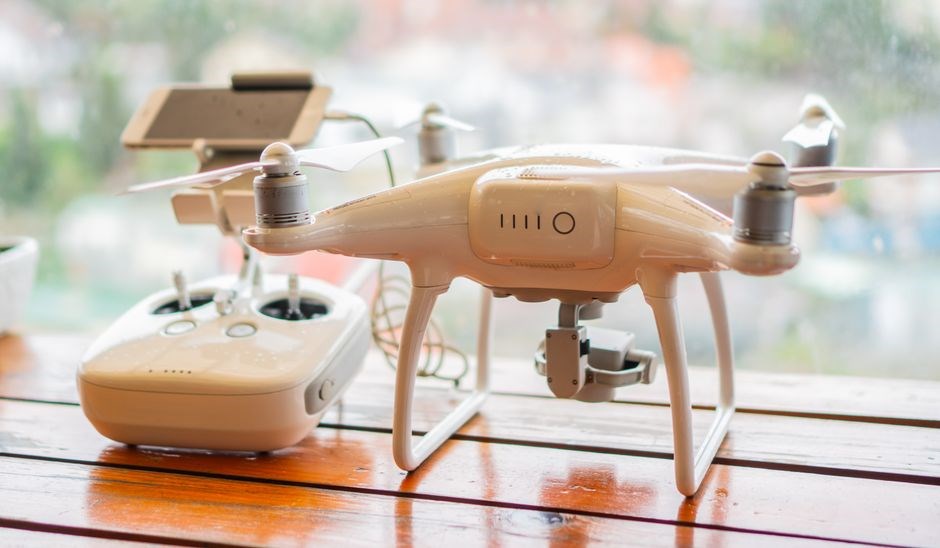
The pre-flight checklist is a critical step before flight‚ ensuring the drone is airworthy and safe to operate‚ by checking the propellers‚ battery‚ and controls for proper function and security always․
Checking the Aircraft
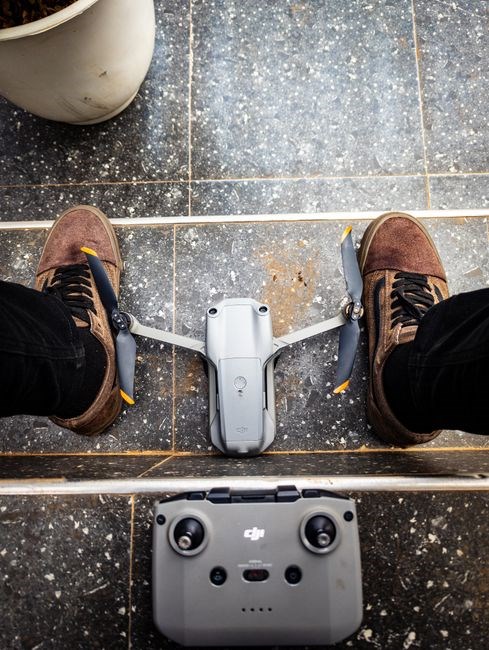
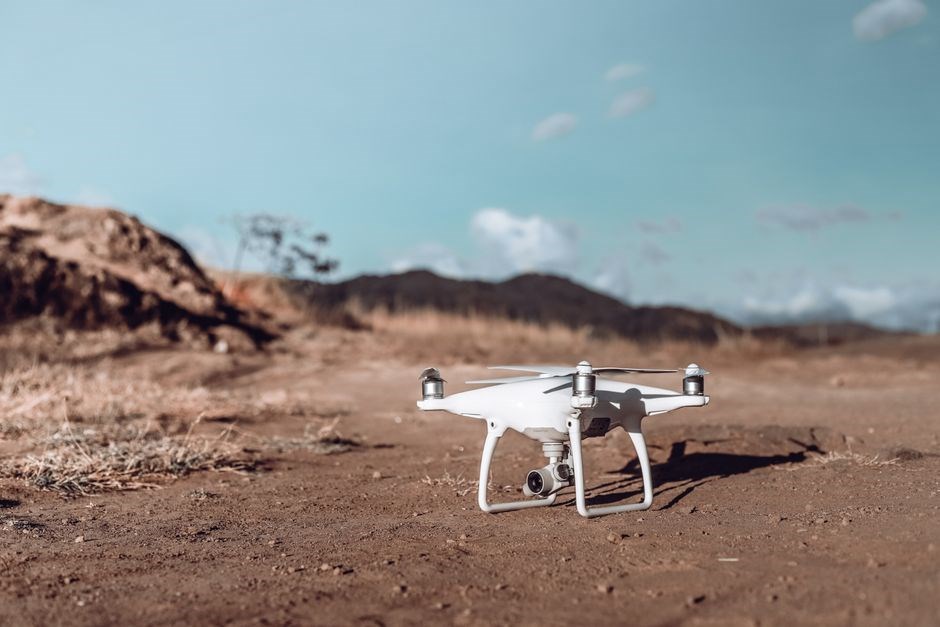
The DJI Phantom 3 Standard requires a thorough pre-flight inspection to ensure safe and successful flight operations․ This includes visual checks of the aircraft for any damage or wear‚ verifying the propellers are securely attached and free of damage‚ and checking the landing gear for proper function and stability․ Additionally‚ pilots should inspect the control sticks and antennas for any damage or obstructions‚ and verify the GPS and compass are calibrated and functioning correctly‚ with all screws and fasteners securely tightened to prevent any malfunction during flight‚ and to ensure the drone is airworthy and ready for safe and successful operation‚ by following the manufacturer’s guidelines and recommendations for pre-flight checks and inspections‚ to minimize the risk of accidents or injuries‚ and to ensure a safe and enjoyable flight experience‚ with the DJI Phantom 3 Standard drone․
Calibrating the Compass
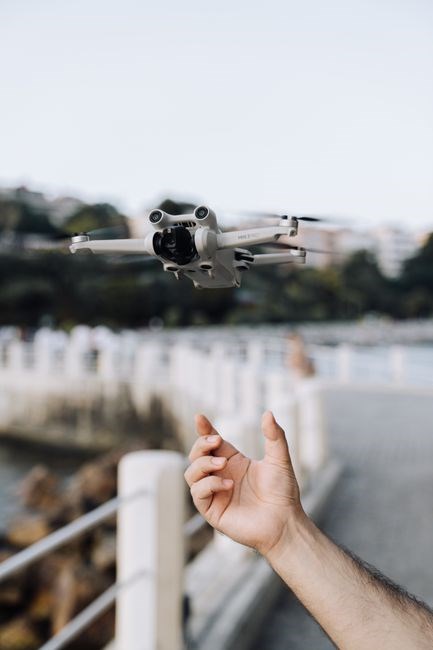
To calibrate the compass on the DJI Phantom 3 Standard‚ pilots must follow a specific procedure‚ which involves rotating the aircraft in a figure-eight pattern‚ while the compass calibration process is active‚ to ensure the compass is accurately calibrated and functioning correctly‚ with the drone in a safe and open area‚ away from any metal objects or interference‚ and with the remote controller connected to the aircraft‚ to prevent any errors or inaccuracies in the compass reading‚ and to ensure the drone is able to navigate and fly safely and accurately‚ with the compass calibration process completed successfully‚ and the drone is ready for flight‚ with all systems functioning correctly‚ and the pilot is confident in the drone’s ability to navigate and fly safely․
Flight Modes
The DJI Phantom 3 Standard has various flight modes‚ including P-Mode and S-Mode‚ which provide pilots with flexibility and control during flight‚ allowing for smooth and stable operation‚ with advanced features and settings available․
Mode Switching
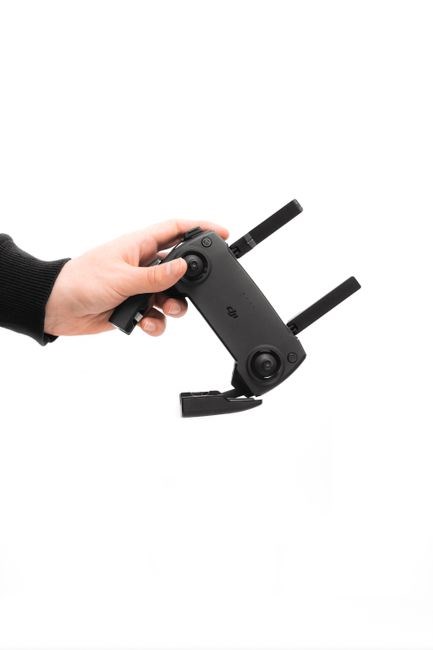
The DJI Phantom 3 Standard allows for seamless mode switching between different flight modes‚ enabling pilots to adapt to changing flight conditions and situations․ This is achieved through the use of the mode switch on the remote controller‚ which provides intuitive and convenient control over the drone’s behavior and performance․ By switching between modes‚ pilots can optimize their flight experience and achieve their desired outcomes‚ whether it be for recreational or professional use‚ with the Phantom 3 Standard being a reliable and versatile tool for aerial photography and videography‚ and other applications‚ with mode switching being a key feature of the drone’s operation․
Understanding P-Mode and S-Mode
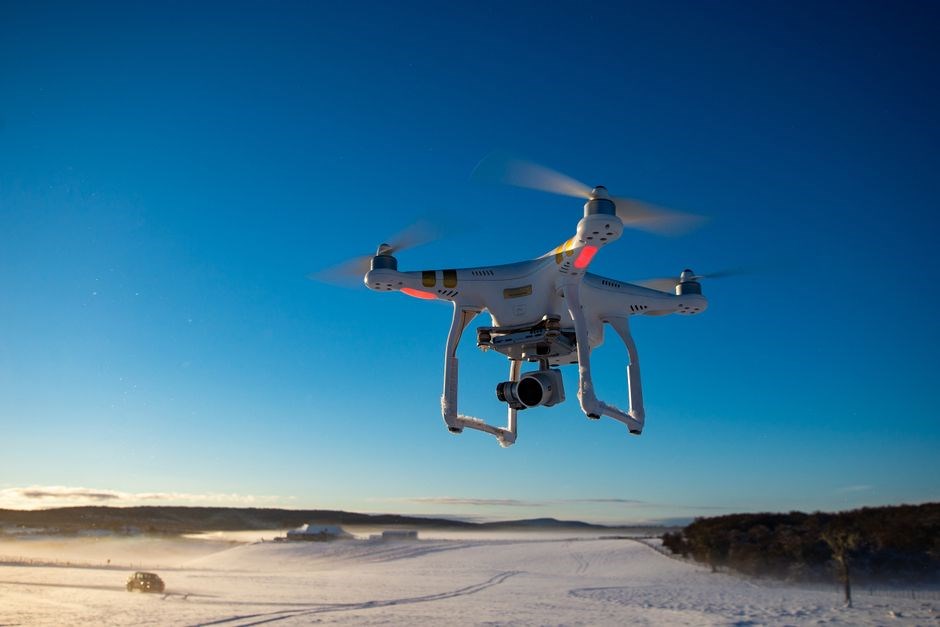
The DJI Phantom 3 Standard operates in two primary flight modes: P-Mode (Positioning Mode) and S-Mode (Sport Mode)․ P-Mode is designed for stable and smooth flight‚ utilizing GPS and vision positioning to maintain the drone’s position and altitude․ In contrast‚ S-Mode is optimized for aggressive and responsive flight‚ providing increased speed and maneuverability․ Understanding the characteristics and applications of each mode is crucial for safe and effective operation of the Phantom 3 Standard‚ and pilots should carefully consider their flight requirements and conditions when selecting a mode‚ to ensure a successful and enjoyable flight experience‚ with the Phantom 3 Standard being a powerful and versatile tool for aerial photography and videography‚ and other applications‚ requiring a deep understanding of its capabilities and limitations․
Camera and Gimbal
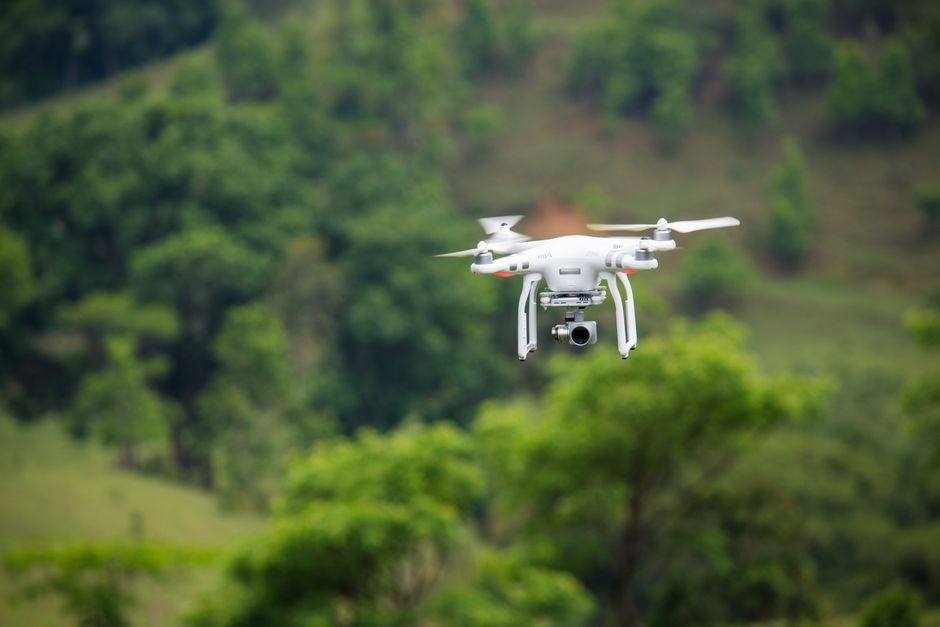
The Phantom 3 Standard features a 12MP camera and a 3-axis gimbal‚ providing stabilized and high-quality footage‚ with adjustable settings for exposure and white balance‚ allowing for customization to suit various shooting conditions and styles․
Camera Settings and Operations
The camera on the DJI Phantom 3 Standard offers a range of settings and operations to customize your photography and videography experience‚ including resolution‚ frame rate‚ exposure compensation‚ and white balance‚ which can be adjusted using the DJI GO app‚ allowing for real-time preview and adjustments to be made‚ ensuring you capture the perfect shot every time‚ with options for single shot‚ burst mode‚ and interval shooting‚ as well as video recording in MP4 format‚ and photo capture in JPG format‚ with support for microSD cards up to 64GB‚ providing ample storage for your media‚ and with the camera’s wide-angle lens and high-quality sensor‚ you can capture stunning images and videos with ease‚ and the camera’s settings can be adjusted to suit your style and preferences‚ making it an ideal choice for photographers and videographers of all levels‚ from beginners to professionals‚ and with its user-friendly interface and intuitive controls‚ you can easily navigate and adjust the camera’s settings to get the best results‚ and the camera also features auto-focus and auto-exposure capabilities‚ making it easy to capture sharp and well-exposed images and videos‚ even in challenging lighting conditions‚ and with its compact and lightweight design‚ the camera is perfect for capturing life’s moments on the go‚ and the camera is also compatible with a range of accessories‚ including filters and The gimbal on the DJI Phantom 3 Standard requires calibration and adjustment to ensure smooth and stable camera operation‚ and this can be done using the DJI GO app‚ which provides a step-by-step guide on how to calibrate the gimbal‚ and it’s important to note that calibration should be done in a stable and level environment‚ with the drone placed on a flat surface‚ and the gimbal should be adjusted to ensure that the camera is level and plumb‚ and the gimbal can also be adjusted manually using the gimbal adjustment screws‚ which are located on the gimbal itself‚ and it’s recommended to refer to the user manual for more detailed instructions on how to calibrate and adjust the gimbal‚ and by following these steps‚ you can ensure that your gimbal is properly calibrated and adjusted‚ and your camera will be stable and level during flight‚ and the gimbal calibration and adjustment process is crucial for capturing smooth and stable footage‚ and it’s important to note that the gimbal should be calibrated and adjusted regularly to ensure optimal performance‚ and the gimbal is a critical component of the DJI Phantom 3 Standard‚ and it’s designed to provide smooth and stable camera operation‚ and by following the calibration and adjustment procedures‚ you can ensure that your gimbal is working properly‚ and your camera will be stable and level during flight․ The DJI Phantom 3 Standard requires regular maintenance to ensure optimal performance‚ including software updates and hardware checks‚ to prevent issues and ensure safe flight always․ The DJI Phantom 3 Standard manual provides solutions to common issues‚ including connection problems‚ flight errors‚ and camera malfunctions‚ with step-by-step guides and troubleshooting tips to help users resolve issues quickly and safely․ Regular maintenance is crucial to ensure the optimal performance and longevity of the drone․ The Phantom 3 Standard manual recommends regularly checking and cleaning the propellers‚ motors‚ and camera lens to prevent dust and debris buildup․ Gimbal Calibration and Adjustment
Troubleshooting and Maintenance
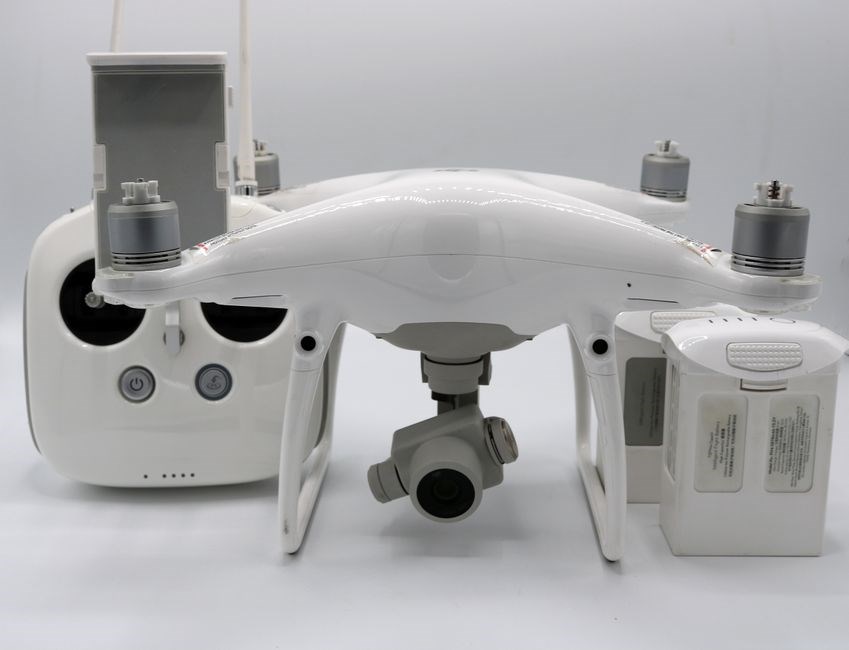
Common Issues and Solutions
Users can refer to the manual for detailed instructions on how to identify and fix common problems‚ such as GPS signal loss‚ compass calibration issues‚ and battery drainage‚ to ensure a smooth and enjoyable flight experience․
Additionally‚ the manual provides precautions and warnings to help users avoid common mistakes and prevent accidents‚ making it an essential resource for all users․ Regular Maintenance Tasks
Users should also inspect the battery and charger for any damage or wear‚ and update the firmware regularly to ensure they have the latest features and security patches․
Additionally‚ the manual provides guidelines for storing and transporting the drone to prevent damage and ensure safe operation․ By following these regular maintenance tasks‚ users can extend the life of their drone and ensure it continues to function properly․