Bois d’Arc Lake Map PDF: A Comprehensive Guide
Navigating Bois d’Arc Lake is simplified with readily available PDF maps, offering detailed depth contours and AIS data for optimal planning.
Downloadable resources from the Arkansas Game and Fish Commission (AGFC) and LakeVu provide comprehensive navigational support for anglers and recreational boaters alike.
Bois d’Arc Lake, a relatively new reservoir in Northeast Texas, is quickly becoming a premier destination for outdoor enthusiasts. Officially opened in 2023, this 16,641-acre lake offers a wealth of recreational opportunities, from fishing and boating to hiking and birdwatching. Understanding the lake’s layout and features is crucial for a safe and enjoyable experience, and that’s where detailed maps come into play.
Accessing accurate and up-to-date maps, particularly in PDF format, allows visitors to plan their trips effectively. These maps showcase critical information like depth contours, boat ramp locations, and areas of interest. Several sources, including the Arkansas Game and Fish Commission (AGFC) and LakeVu, provide downloadable maps designed to enhance navigation and maximize your time on the water. The lake’s 26 square miles of surface area and 120 billion gallon capacity necessitate careful planning, and a good map is the first step.
Historical Context of the Lake’s Creation
The creation of Bois d’Arc Lake was a decades-long project initiated to address the growing water needs of Northeast Texas. Planning for the Lower Bois d’Arc Creek Reservoir began in the early 2000s, driven by the necessity for a reliable water source for a rapidly expanding population and industrial sector. The project involved extensive collaboration between the Red River Municipal Water District and the Arkansas Game and Fish Commission.
Understanding the historical context is relevant when utilizing maps of the lake, as the landscape depicted reflects a significant transformation. Before the dam’s completion in 2023, the area was primarily agricultural land and woodland. The detailed maps available today illustrate the newly formed shoreline, submerged features, and the impact of the reservoir on the surrounding terrain. Accessing PDF maps aids in comprehending the changes and navigating the now-aquatic environment effectively.
Purpose of the Lower Bois d’Arc Creek Reservoir
The primary purpose of constructing the Lower Bois d’Arc Creek Reservoir, now Bois d’Arc Lake, was to secure a long-term water supply for a multi-county region in Northeast Texas. This included cities like Frisco, Allen, McKinney, and Plano, experiencing substantial population growth and increasing demands on existing water resources. The reservoir is designed to store approximately 120 billion gallons of water, ensuring a dependable source even during periods of drought.
Understanding this core purpose is crucial when interpreting maps of the lake. The reservoir’s design prioritizes water conservation and management, influencing the lake’s shape and features depicted on PDF maps. These maps are valuable tools for understanding the areas designated for water intake, flood control, and recreational use, all stemming from the initial planning objectives. Utilizing these resources allows for informed navigation and appreciation of the lake’s functionality.

Understanding the Bois d’Arc Lake Map
PDF maps of Bois d’Arc Lake are essential for navigation, showcasing critical details like depth contours, boat ramp locations, and areas of interest for recreation.
Availability of PDF Maps
Accessing detailed PDF maps of Bois d’Arc Lake is crucial for planning a successful trip, whether for fishing, boating, or simply exploring the area. Currently, several sources offer downloadable maps, though availability can fluctuate as the lake is relatively new. The Arkansas Game and Fish Commission (AGFC) is a primary resource, often providing maps as part of their lake information packets or on their website.
LakeVu, a popular provider of fishing and lake maps, also offers Bois d’Arc Lake maps, often requiring a purchase or subscription for full access. Users have reported varying success with LakeVu updates, so checking compatibility is recommended. Beyond these official sources, some third-party websites may compile and share maps, but verifying their accuracy is essential. Regularly checking the AGFC website is advised for the most up-to-date and reliable PDF map options.
Sources for Downloading Lake Maps (AGFC, LakeVu)
For reliable Bois d’Arc Lake maps, the Arkansas Game and Fish Commission (AGFC) website is a primary source. While direct PDF downloads may vary, the AGFC provides lake information and resources that often include map links or downloadable guides. Regularly checking their official site ensures access to the most current cartography.
LakeVu is another key provider, offering detailed maps with depth contours and fishing hotspots. Users can typically download LakeVu maps for Bois d’Arc Lake after purchase, often requiring an SD card for compatibility with compatible chartplotters. However, recent user reports suggest updates haven’t always included the latest lake features, so verifying map versions is crucial. Exploring both AGFC and LakeVu ensures access to diverse map options, catering to different navigational needs and preferences.
Map Features: Depth Contours and AIS
Bois d’Arc Lake maps, particularly those from LakeVu, prominently feature high-definition depth contours. These contours are invaluable for anglers seeking productive fishing locations, allowing identification of submerged structures and drop-offs. Detailed contour lines reveal the lakebed’s topography, aiding in precise lure presentation and maximizing fishing success.
Furthermore, many maps incorporate Aquatic Invasive Species (AIS) data, highlighting areas where these species are present. This information is crucial for responsible recreation, enabling boaters to avoid spreading AIS and protecting the lake’s ecosystem. Interactive maps and chartplotter compatibility enhance these features, allowing real-time data visualization. Utilizing maps with both depth contours and AIS data promotes informed decision-making and responsible lake usage.
Navigational Tools & Map Compatibility (AllTrails Pro)
For hikers and trail enthusiasts exploring the areas surrounding Bois d’Arc Lake, AllTrails Pro offers a valuable navigational solution. Downloading maps within the AllTrails Pro application provides offline access, crucial in areas with limited cellular service. The app’s GPS functionality ensures accurate location tracking, preventing users from becoming lost amidst the varied terrain.
The trails around the lake feature diverse landscapes and some elevation changes, making reliable navigation essential. AllTrails Pro’s detailed maps showcase trail routes, elevation profiles, and user-submitted reviews, offering insights into trail conditions. Compatibility with downloaded maps allows for seamless exploration, even without a constant data connection, enhancing the overall outdoor experience and ensuring a safe journey.
Lake Characteristics & Key Locations
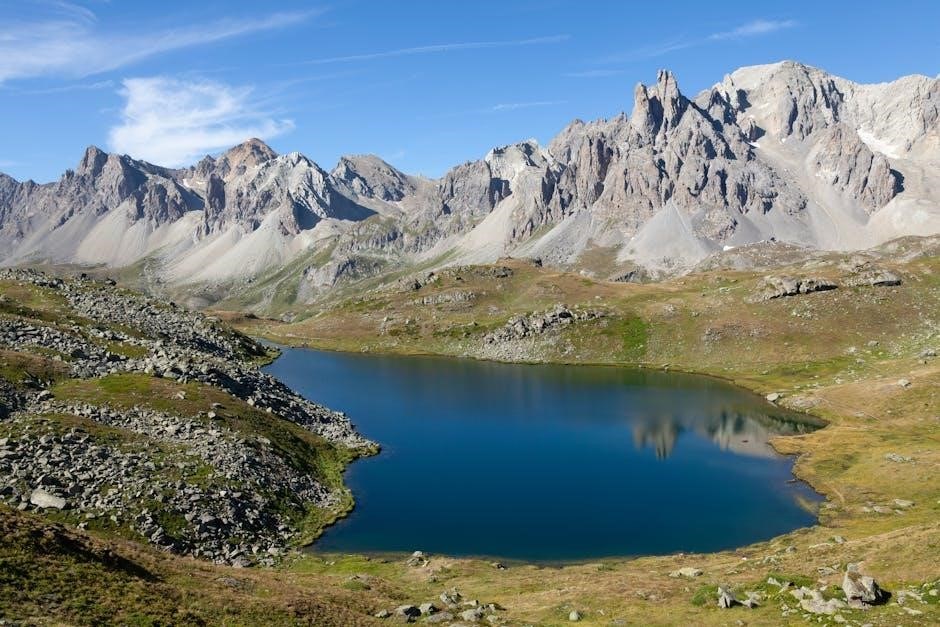
Bois d’Arc Lake boasts a substantial 26 square mile surface area and a remarkable 120 billion gallon water storage capacity, supported by a 90-foot dam.
Surface Area and Water Storage Capacity
Bois d’Arc Lake presents an expansive aquatic environment, covering approximately 26 square miles of surface area. This considerable size provides ample space for a diverse range of recreational activities, from boating and fishing to birdwatching and leisurely exploration. The lake’s impressive dimensions contribute significantly to its role as a vital water resource for the region.
Beyond its surface area, Bois d’Arc Lake possesses a substantial water storage capacity, capable of holding an astounding 120 billion gallons of water. This large volume is crucial for supporting local water needs, mitigating potential drought conditions, and ensuring a reliable water supply for both human consumption and ecological sustainability. The reservoir’s capacity underscores its importance as a long-term water management solution.
Understanding these key characteristics – surface area and storage capacity – is fundamental when utilizing a Bois d’Arc Lake map, allowing for informed planning of activities and a greater appreciation for the lake’s overall significance.
Dam Specifications: Length and Height
The impressive engineering of the Bois d’Arc Lake dam is a key feature influencing the lake’s characteristics and is often depicted on detailed lake maps. The dam itself stretches an impressive 2 miles in length, a substantial structure designed to effectively contain the vast water volume of the reservoir. This considerable length contributes to the dam’s stability and its ability to withstand varying water levels and environmental conditions.
Furthermore, the dam rises to a height of 90 feet, creating a significant elevation difference that is crucial for water storage and release control. This height allows for the creation of a substantial reservoir while also enabling regulated water outflow for various purposes, including irrigation and flood control. Understanding these dimensions is vital when interpreting topographical features on a Bois d’Arc Lake map.
These specifications are essential for anyone studying the lake’s infrastructure and planning activities around its perimeter.
Watershed Information and Boundaries
A comprehensive Bois d’Arc Lake map will invariably illustrate the encompassing watershed, a critical element for understanding the lake’s ecological health and water quality. The watershed defines the geographical area from which water drains into the lake, influencing sediment inflow, nutrient levels, and overall ecosystem dynamics. Identifying watershed boundaries is crucial for land management practices aimed at preserving the lake’s pristine condition.
Detailed maps often delineate the various tributaries and streams that feed into Bois d’Arc Lake, showcasing the interconnectedness of the surrounding landscape. Understanding the watershed’s topography and land use patterns – including agricultural areas and forested regions – provides valuable insights into potential pollution sources and conservation needs.
Analyzing watershed data, often found alongside the lake’s depiction, aids in predicting water level fluctuations and managing the lake’s resources effectively.
Boat Ramp Locations and Accessibility
A detailed Bois d’Arc Lake map is indispensable for locating boat ramps and assessing their accessibility. These maps typically pinpoint each ramp’s precise location, often including coordinates for GPS navigation. Crucially, the map should indicate the ramp’s condition – paved, gravel, or earthen – and whether it’s suitable for various boat sizes.
Accessibility information is paramount; maps should clarify if ramps are open year-round, seasonally available, or subject to closure due to water levels. Details regarding parking capacity, restroom facilities nearby, and any associated fees are also valuable additions. Some maps may even indicate the presence of courtesy docks or loading zones.
Understanding ramp accessibility allows boaters to plan their trips efficiently, ensuring a smooth launch and retrieval experience at Bois d’Arc Lake.
Restroom and Picnic Area Locations
A comprehensive Bois d’Arc Lake map is essential for identifying the locations of restrooms and picnic areas, enhancing visitor comfort and convenience. These maps clearly mark these amenities, often using standardized symbols for easy recognition. Detailed maps will specify the type of restroom facilities available – flush toilets, vault toilets, or portable restrooms – and their accessibility.
Picnic areas are typically indicated with tables and potentially grills, and the map may note the number of picnic tables available at each location. Information regarding shade cover, proximity to the shoreline, and any associated fees is also beneficial. Maps may also highlight areas with designated parking for picnickers.
Knowing the locations of these facilities allows visitors to plan enjoyable outings and breaks during their time at Bois d’Arc Lake.
Fishing and Recreation at Bois d’Arc Lake
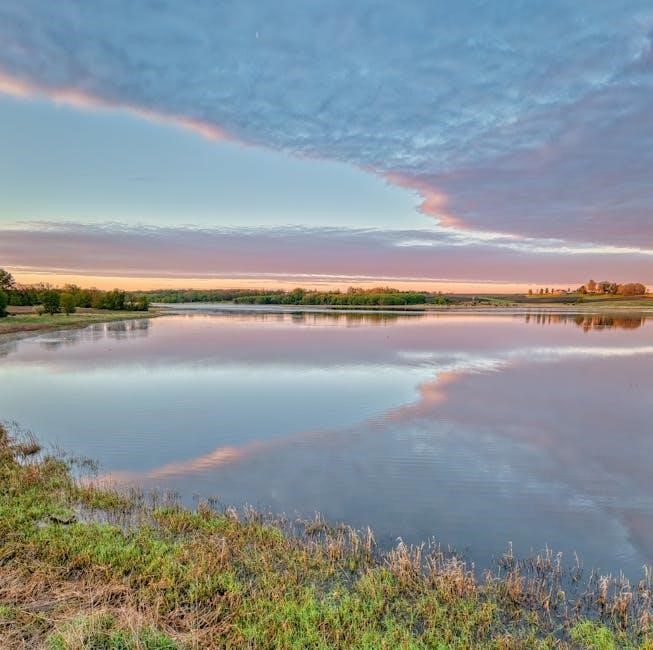
Bois d’Arc Lake provides exceptional fishing and bird-watching opportunities, detailed on accessible maps. These maps aid in planning recreational activities and locating prime fishing spots.
Fishing Opportunities and Species
Bois d’Arc Lake is rapidly becoming a premier fishing destination in Arkansas, and detailed maps are crucial for success. Anglers can expect a diverse range of species, including Largemouth Bass, Crappie, Catfish, and Sunfish. The lake’s structure, clearly depicted on available maps, creates excellent habitat for these fish.
Understanding depth contours, as shown on downloadable PDF maps from sources like AGFC and LakeVu, is vital for locating productive fishing areas. These maps also highlight submerged structures and potential hotspots. Successful anglers utilize these resources to pinpoint locations where fish congregate, maximizing their catch rates. The lake’s relatively new status means fish populations are still developing, offering exciting opportunities for discovery and record-breaking catches. Maps are essential tools for both novice and experienced fishermen.
Bird-Watching Opportunities
Beyond fishing, Bois d’Arc Lake presents exceptional bird-watching opportunities, enhanced by utilizing detailed lake maps. The diverse habitat surrounding the lake attracts a wide variety of avian species, making it a haven for bird enthusiasts. Maps showcasing the lake’s perimeter, watershed, and surrounding land features help identify prime birding locations.
Areas with varied terrain, as indicated on downloadable PDF maps, often support a greater diversity of birdlife. Understanding the landscape through map study allows birders to anticipate where different species might be found. The lake’s creation has already begun attracting migratory birds and establishing new nesting grounds. Maps aid in planning routes to observe waterfowl, raptors, and songbirds. Utilizing resources from AGFC and LakeVu, birders can maximize their viewing experiences at Bois d’Arc Lake.
Trail Information and Terrain
Bois d’Arc Lake offers a rewarding trail experience, best navigated with detailed maps readily available in PDF format. These maps, often downloadable through platforms like AllTrails Pro, reveal varied terrain – from gentle loops to sections with notable elevation changes. Understanding the trail’s topography is crucial for planning a suitable hike.
Downloaded maps ensure easy navigation, preventing hikers from getting lost, even in unfamiliar areas. The terrain is described as diverse, offering a dynamic experience for all skill levels. Maps highlight key features, allowing hikers to anticipate challenges and enjoy scenic viewpoints. Utilizing these resources, adventurers can confidently explore the trails surrounding Bois d’Arc Lake, appreciating the natural beauty while staying on course. Detailed contour lines on the maps provide a clear understanding of the landscape.
Water Level Data and Monitoring
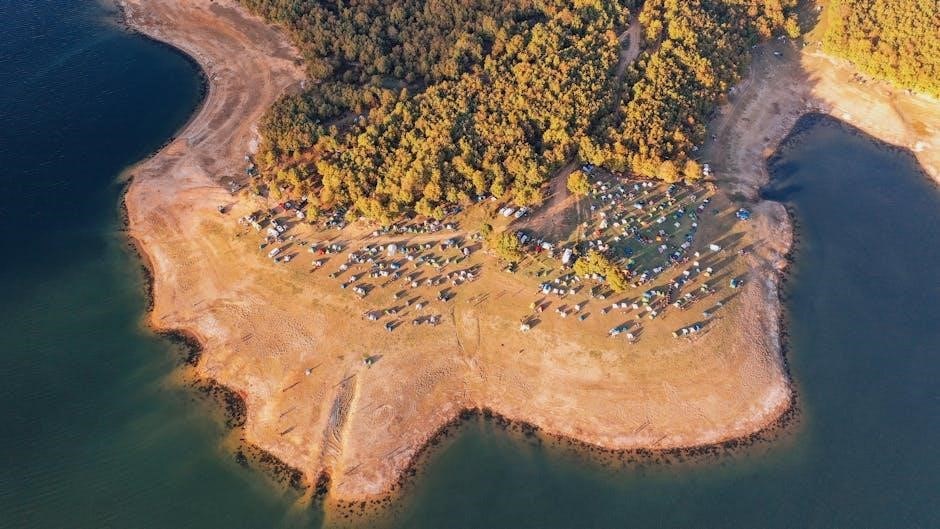
Real-time and averaged water level information for Bois d’Arc Lake is accessible through interactive map viewers, aiding in planning and ensuring safe navigation.
Real-Time Water Level Information
Accessing current water level data is crucial for a safe and enjoyable experience at Bois d’Arc Lake. The lake’s water levels are continuously monitored and updated, providing anglers, boaters, and recreational users with the most accurate information available. Values presented are often averaged conditions, but for truly instantaneous readings, dedicated interactive map viewers offer near real-time data.
These viewers display the current elevation of the lake, allowing users to quickly assess conditions before heading out. This information is particularly valuable for determining boat ramp accessibility and identifying potential hazards related to fluctuating water levels. Regularly checking these resources ensures informed decision-making and maximizes the enjoyment of all lake activities. Staying updated on water levels contributes to responsible lake usage and safety.
Averaged Water Level Conditions
While real-time data provides instantaneous readings, understanding averaged water level conditions at Bois d’Arc Lake offers valuable insight into long-term trends. These averaged values represent a compilation of data collected over a specific period, providing a broader perspective on the lake’s typical water levels. This historical context is useful for planning trips and anticipating potential fluctuations based on seasonal patterns.
These averaged conditions are readily available alongside real-time data, allowing users to compare current levels with historical norms. This comparison helps assess whether the lake is currently experiencing unusually high or low water levels. Accessing this information, combined with interactive map viewers, empowers visitors to make informed decisions regarding their activities and ensures a safe and enjoyable experience on the lake.
Interactive Map Viewers for Water Levels
For a dynamic and visually informative experience, interactive map viewers provide up-to-date water level data for Bois d’Arc Lake. These digital tools go beyond static readings, displaying current water levels directly on a map of the lake, allowing users to quickly assess conditions across different areas. This feature is particularly valuable for boaters and anglers seeking optimal locations based on depth and accessibility.
These viewers often integrate with real-time data feeds, ensuring the information is as current as possible. Users can zoom in on specific points of interest, such as boat ramps or fishing hotspots, to view precise water level measurements. Combined with averaged conditions, these interactive maps offer a comprehensive understanding of the lake’s hydrology, enhancing safety and maximizing recreational enjoyment.
Property and Flood Easement Information
Maps detail property impacts from the lake and flood easements extending up to 545 feet, providing crucial information for landowners regarding potential changes.
Impact of the Lake on Property
The creation of Bois d’Arc Lake inevitably impacts surrounding properties, and understanding these effects is vital for landowners. Detailed maps, often available as PDFs, illustrate the extent of the lake’s inundation zone and associated flood easements. These easements, reaching elevations up to 545 feet, define areas potentially subject to periodic flooding or limitations on future development.
Property owners can utilize these maps to assess how the lake affects their land, including potential changes to property lines, access points, and overall land value. The Arkansas Game and Fish Commission (AGFC) provides resources to help landowners interpret these maps and understand their rights and responsibilities. Careful review of these documents is crucial for informed decision-making regarding property use and future planning in the vicinity of Bois d’Arc Lake.
Flood Easement Boundaries (Up to 545 ft)
Detailed Bois d’Arc Lake maps, frequently available in PDF format, clearly delineate flood easement boundaries extending up to the 545-foot elevation mark. These boundaries represent areas where the AGFC holds specific rights to prevent structures that could be damaged by potential flooding. Understanding these easements is crucial for property owners near the lake.
The maps visually represent the extent of these easements, allowing landowners to identify affected portions of their property. Restrictions within these zones may include limitations on building height, types of construction, and other development activities. Accessing and carefully reviewing these PDF maps, provided by the AGFC, is essential for ensuring compliance and avoiding potential legal issues related to property development near Bois d’Arc Lake.

Contact Information and Resources
For inquiries regarding Bois d’Arc Lake maps and related information, contact the Arkansas Game and Fish Commission or the Hope Regional Office for assistance.
Arkansas Game and Fish Commission (AGFC) Contact
The Arkansas Game and Fish Commission (AGFC) serves as the primary resource for official information concerning Bois d’Arc Lake, including access to maps and related data. For general inquiries about the lake, fishing regulations, or obtaining physical copies of lake maps, you can reach the AGFC through their website or by phone.
Their website frequently hosts downloadable PDF versions of the lake map, showcasing depth contours, boat ramp locations, and other essential features for recreational users. The AGFC also provides updates on water levels and any temporary closures or restrictions affecting access to the lake.
Direct contact with the AGFC can be invaluable for clarifying specific details about the map or addressing any concerns regarding the lake’s management and conservation efforts. They are dedicated to ensuring a safe and enjoyable experience for all visitors to Bois d’Arc Lake.
Hope Regional Office Contact Details
For localized assistance regarding Bois d’Arc Lake, particularly concerning map-related questions or on-site information, contacting the AGFC’s Hope Regional Office is highly recommended. This office serves as a direct point of contact for inquiries specific to the lake’s immediate vicinity and surrounding areas.
The Hope Regional Office can provide detailed insights into current lake conditions, recent map updates, and any localized regulations impacting recreational activities. They are equipped to address questions about boat ramp accessibility, fishing reports, and potential hazards within the lake.
You can reach the Hope Regional Office toll-free at (877) 256-4232. Their knowledgeable staff can assist with obtaining physical copies of the lake map or directing you to online resources. They are a valuable asset for planning a successful and informed visit to Bois d’Arc Lake.
Additional Information Sources
Beyond the official AGFC resources and LakeVu maps, several supplementary sources offer valuable information for planning your Bois d’Arc Lake experience. Online forums dedicated to Arkansas fishing frequently contain user-submitted reports and discussions regarding lake conditions, fishing hotspots, and map interpretations.

AllTrails Pro, when utilized with downloaded maps, provides exceptional navigational support, especially for the surrounding trails. Websites specializing in outdoor recreation often feature user reviews and updated trail information. Remember to cross-reference information from multiple sources to ensure accuracy.
Exploring local bait and tackle shops near the lake can also yield valuable insights from experienced anglers. These shops often carry updated maps and can provide firsthand knowledge of current fishing patterns and lake conditions. Always prioritize official sources for regulatory information.